Why Men Need Sunscreen Every Day (Even in Winter)
Sunscreen is the highest-leverage skincare product most men aren’t using. It doesn’t just prevent sunburn — it’s the most evidence-backed anti-aging step you can take. Here’s the full case, and why every reason men skip it doesn’t hold up.
Key Takeaways
- UV damage causes up to 90% of visible skin aging — wrinkles, dark spots, and loss of firmness are largely sun-related, not age-related
- UVA rays (which cause aging) penetrate clouds and glass year-round — cloudy winter days still expose your skin
- SPF 30 broad-spectrum applied every morning is all most men need for daily commuter-level protection
UV Damage Is the #1 Cause of Premature Aging
A landmark study published in the New England Journal of Medicine estimated that up to 90% of visible skin aging is caused by cumulative UV exposure — not by the passage of time itself. The clinical term is “photoaging,” and it accounts for the majority of wrinkles, dark spots, leathery texture, and loss of elasticity men develop over their 30s, 40s, and 50s.
The mechanism: UV radiation — particularly UVA rays — penetrates the dermis and damages collagen and elastin fibers directly. It also generates reactive oxygen species (free radicals) that cause oxidative DNA damage in skin cells, driving both premature aging and an increased risk of skin cancer.
Put simply: every retinol, moisturizer, or serum you use is trying to repair or compensate for UV damage. Wearing sunscreen daily prevents that damage from occurring in the first place — and prevention outperforms treatment at every price point.
Yes, You Need It Even on Cloudy Days
There are two types of UV radiation relevant to skin: UVB and UVA. UVB causes sunburn and peaks on clear summer days. UVA causes photoaging and penetrates clouds, windows, and car glass — year-round, at essentially the same intensity regardless of weather or season.
Clouds block approximately 20% of UV radiation. That leaves 80% of the UVA reaching your skin on an overcast November Tuesday. Your morning commute, your desk by the window, and your lunch break walk are all UVA exposure events, regardless of whether you can feel warmth from the sun.
UVA vs UVB: What You Need to Know
UVA
- —Causes photoaging (wrinkles, spots, texture)
- —Penetrates cloud cover and glass
- —Present year-round at consistent levels
- —Accounts for 95% of UV reaching Earth's surface
UVB
- —Causes sunburn and tanning
- —Blocked by most glass and clouds
- —Seasonal — strongest mid-day in summer
- —Also contributes to skin cancer risk
The Right SPF for Men
For daily use — commuting, office, errands — SPF 30 broad-spectrum is the evidence-based minimum. SPF 30 blocks 97% of UVB rays; SPF 50 blocks 98%. The difference in protection is smaller than most people expect, but SPF 50 provides a practical margin for imperfect application.
The critical qualifier is broad-spectrum. Broad-spectrum means the sunscreen protects against both UVA and UVB radiation. A sunscreen that isn’t labeled broad-spectrum only blocks UVB — so you won’t burn, but you’re still getting full photoaging UVA exposure. Always look for “broad spectrum” on the label.
Daily Use
SPF 30
Sufficient for commuting, indoor work, and errands. The practical minimum for daily protection.
Extended Outdoors
SPF 50+
Outdoor dining, driving, sports, weekend activities. Reapply every 2 hours if active or sweating.
High UV Exposure
SPF 50+ + Reapply
Beach, skiing, high-altitude, direct midday sun. Reapply every 90 minutes. Physical sunscreen preferred.
Why Men Skip Sunscreen (And Why Every Excuse Is Wrong)
“It feels greasy and heavy.”
Modern mineral and chemical SPF formulas designed for daily face use are weightless, matte, and invisible. The greasy SPF you remember from childhood is not what’s available in 2026.
“I don’t spend much time outside.”
UVA penetrates windows. Your commute, your desk by a window, and any time you're near glass counts. “Indoors” does not mean UV-free.
“My moisturizer has SPF.”
SPF in moisturizers is often inadequate because people don’t apply enough. A dedicated SPF product applied as the last step ensures proper coverage.
“It doesn’t matter in winter.”
UVA levels in December are approximately 70% of what they are in July. You are still being exposed. The difference is you can’t feel it.
“I’m dark-skinned, I don’t need it.”
Melanin offers approximately SPF 13 of natural protection. Darker skin tones experience the same photoaging from UVA — it simply presents differently (dark spots, uneven tone) rather than as wrinkles.
How to Make SPF a Habit
The best sunscreen is the one you’ll actually use. The key is reducing friction: keep it on your bathroom counter next to your moisturizer, make it the literal last step before leaving the house, and find a formula that feels like nothing so there’s no sensory reason to skip it.
- +Apply it last in your AM routine — after moisturizer, before going outside
- +Tinted SPF or SPF moisturizer combos reduce steps and increase compliance
- +Travel-size SPF in your bag for reapplication at lunch if you’re outdoors
- +If you use retinol, SPF is non-negotiable — it makes your skin more photosensitive
- +Set a single rule: no leaving the house without SPF on your face
Recommended Sunscreens for Men
EltaMD
UV Clear Broad-Spectrum SPF 46
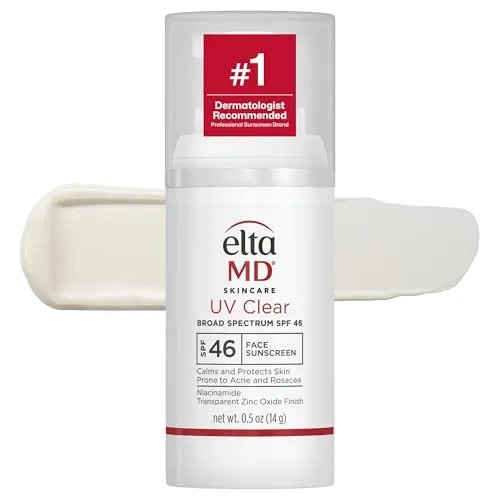
The only SPF dermatologists won't shut up about. Sheer, no white cast, won't break you out.
Best for
Oily, Combination, Normal, Dry
Key ingredients
Zinc oxide, Niacinamide, Hyaluronic acid
When to use
Morning only
Black Girl Sunscreen
Make It Matte SPF 45
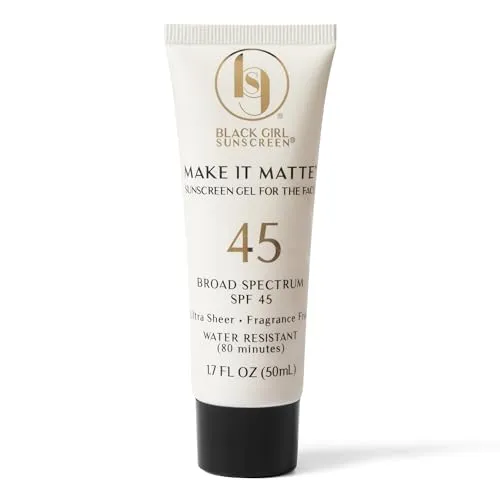
Zero white cast, matte finish. The SPF for anyone who's given up on chemical sunscreens.
Best for
Oily, Combination, Normal, Dry
Key ingredients
Avobenzone, Homosalate, Jojoba oil
When to use
Morning only
Neutrogena
Ultra Sheer Dry-Touch Sunscreen SPF 100+
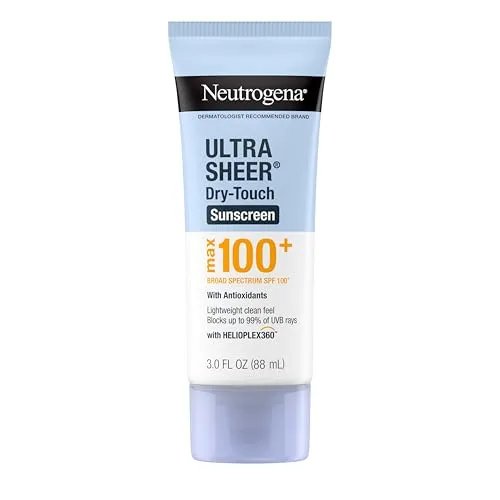
SPF 100 for when you're going to be outside all day. Doesn't feel like it.
Best for
Oily, Combination, Normal
Key ingredients
Avobenzone, Octisalate, Octocrylene
When to use
Morning only
Build a Complete Routine That Includes SPF
Answer 5 quick questions and get a personalized AM routine with the right sunscreen for your skin type and lifestyle.
Build My Routine