CeraVe vs La Roche-Posay: Which Is Better for Men?
Here’s the thing almost no comparison mentions: they have the same owner. L’Oréal has held La Roche-Posay since 1989 and bought CeraVe in 2017. So the real question isn’t which brand wins — it’s which of two deliberately different price tiers your skin actually needs.
By Nate Calder · Updated
CeraVe for the Routine, La Roche-Posay for the Problem
CeraVe is the better default, and it isn’t close on price. Averaged across the products we list, CeraVe runs about $16 against roughly $33 for La Roche-Posay. Ceramides and niacinamide run through the whole range, so a three-product CeraVe routine is coherent and cheap.
La Roche-Posay wins where there’s a specific problem to solve. Three products justify the premium: Cicaplast Baume B5+ for genuinely compromised or post-shave skin, Anthelios for its Mexoryl UVA filters, and Effaclar Adapalene — a real retinoid for acne that CeraVe has no equivalent to.
Build on CeraVe. Buy La Roche-Posay for the one or two slots where it does something CeraVe can’t.
Hydrating Cleanser Comparison
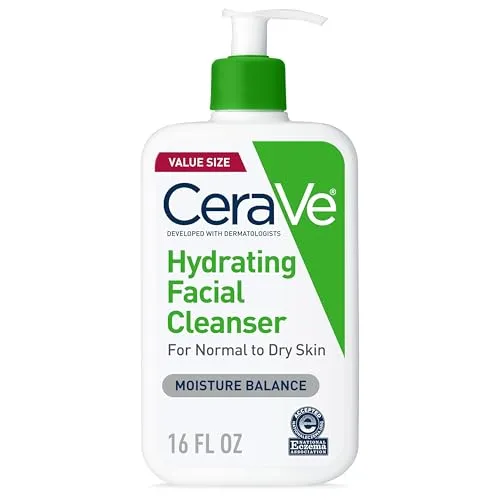 | 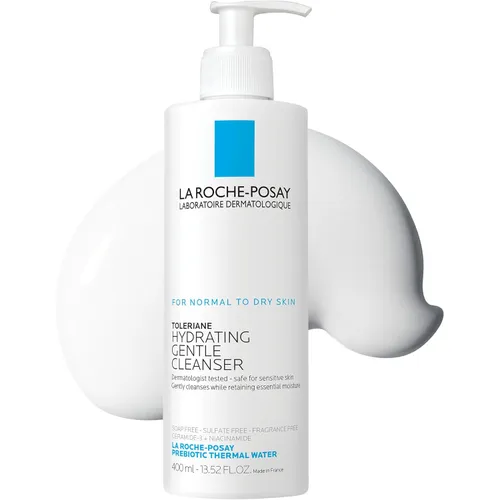 | |
|---|---|---|
| Price | $15.97 | $19.97 |
| Key Ingredients | Ceramides, Hyaluronic acid, Glycerin | Thermal spring water, Niacinamide, Prebiotic thermal water |
| Formulation Tradition | US dermatology shelf — barrier repair via ceramides | French pharmacy — soothing via thermal spring water |
| Best Skin Types | dry, normal, combination | dry, normal, combination |
| Fragrance-Free | Yes | Yes |
| Average Price Across Range | $16.32 | $32.86 |
| Rating | 4.7 / 5 | 4.6 / 5 |
marks the better value on that row only — not an overall verdict, and not a product rating. Rows where the two are equal are left unmarked.
Detailed Breakdown
Same Owner, Different Jobs
L’Oréal runs both brands, and it has no interest in them cannibalising each other. La Roche-Posay sits in the French pharmacy tradition: thermal spring water from the town it’s named after, formulas aimed at reactive and dermatologist-referred skin, priced accordingly. CeraVe came from the American dermatology shelf with a single idea — replace the ceramides damaged skin has lost — and a mass-market price.
That’s why the ranges feel different despite the shared parent. CeraVe repeats the same three ceramides across a dozen products; La Roche-Posay builds specialised products for specific clinical problems and charges more for them.
Where La Roche-Posay Is Genuinely Better
Effaclar Adapalene Gel 0.1% is the clearest case. It’s a true retinoid, prescription-only until 2016, and it prevents clogs from forming rather than treating spots that already exist. CeraVe has no equivalent — its Acne Control Gel is salicylic acid, a different and weaker intervention.
Anthelios sunscreensuse Mexoryl SX and XL, filters La Roche-Posay developed in-house that give better UVA coverage than most formulas sold in the US. Worth knowing the Melt-In Milk is fragranced, which CeraVe’s sunscreens are not.
Cicaplast Baume B5+is the highest-rated product in either range here. It’s a repair balm rather than a daily moisturizer — the thing to reach for after a bad shave, a retinoid overshoot, or a winter that cracked your face open.
Where CeraVe Wins
Everything routine. The cleanser, the AM and PM moisturizers, and the retinol serum are all competent, fragrance-free, and roughly half the price of the La Roche-Posay equivalent. Because the whole range shares one formulation logic, you can buy three CeraVe products without checking whether they conflict.
Range depth matters too: 12 CeraVe products against 7 from La Roche-Posay here. If you want one brand to cover every step, only one of these two can do it.
Value
A complete CeraVe routine costs roughly what two La Roche-Posay products do. For most men that settles it — the barrier science is equivalent and the price isn’t. The honest exception is anyone whose skin is genuinely reactive, or who has acne that salicylic acid hasn’t moved: there, the La Roche-Posay product is doing something the cheaper one cannot, and the premium is real rather than positioning.
Choose CeraVe if... / Choose La Roche-Posay if...
Choose CeraVe if...
- +You want one brand for the entire routine
- +Price matters and the job is ordinary dryness
- +You want fragrance-free without reading labels
- +You're building your first real routine
- +You'd rather spend the difference on sunscreen
Choose La Roche-Posay if...
- +Your skin is reactive, not just dry
- +You have acne that salicylic acid hasn't fixed
- +You want the best UVA filters available
- +You need a repair balm for post-shave or wind-burned skin
- +A dermatologist pointed you at a specific product
Top Picks from Each Brand
CeraVe
La Roche-Posay
CeraVe
Hydrating Facial Cleanser
Cleans without stripping. Your moisture barrier will thank you.
Best for
Dry, Normal, Combination
Key ingredients
Ceramides, Hyaluronic acid, Glycerin
When to use
Morning & night
La Roche-Posay
Toleriane Hydrating Gentle Cleanser
The upgrade pick when CeraVe isn't cutting it. Noticeably gentler on dry or sensitive skin.
Best for
Dry, Normal, Combination
Key ingredients
Thermal spring water, Niacinamide, Prebiotic thermal water
When to use
Morning & night
CeraVe
AM Facial Moisturizing Lotion SPF 30
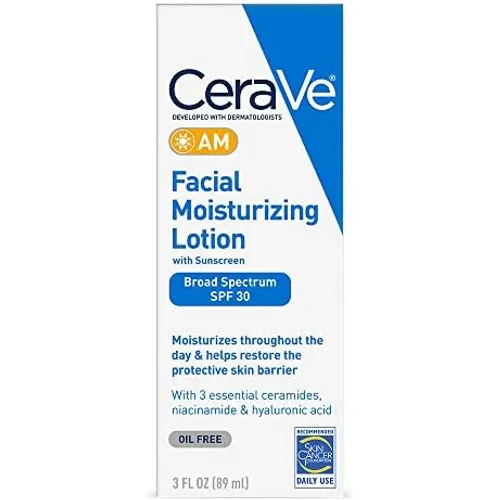
Moisturizer and SPF in one bottle. The ultimate morning shortcut.
Best for
Normal, Combination, Oily
Key ingredients
Ceramides, Niacinamide, Zinc oxide (SPF 30)
When to use
Morning only
La Roche-Posay
Cicaplast Baume B5+
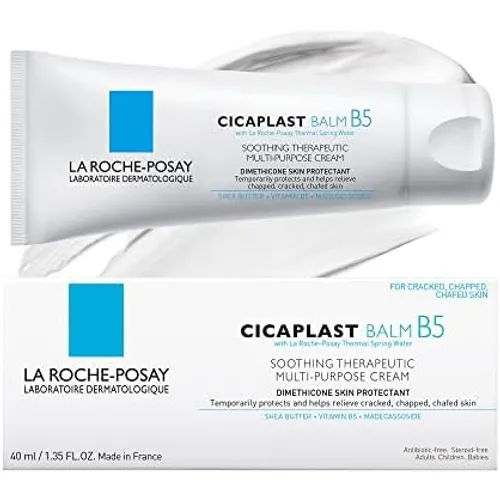
The dermatologist's emergency repair cream. Fixes irritated, over-exfoliated, post-shave wrecked skin overnight.
Best for
Dry, Normal, Combination
Key ingredients
Panthenol (B5), Madecassoside, Shea butter, Zinc/Manganese/Copper
When to use
Night only
CeraVe
PM Facial Moisturizing Lotion
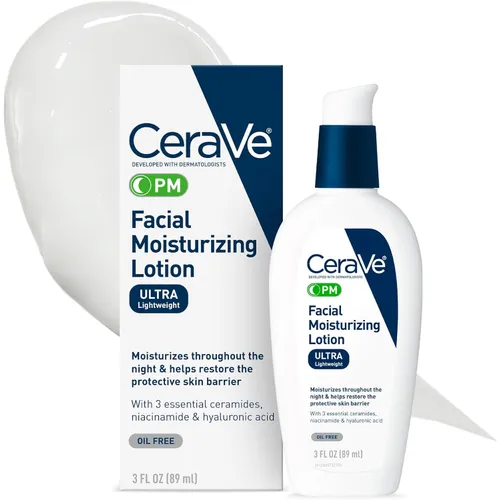
Your skin fixes itself overnight. This gives it what it needs to do the job.
Best for
Oily, Normal, Combination, Dry
Key ingredients
Ceramides, Niacinamide, Hyaluronic acid
When to use
Night only
La Roche-Posay
Anthelios Melt-In Sunscreen Milk SPF 60
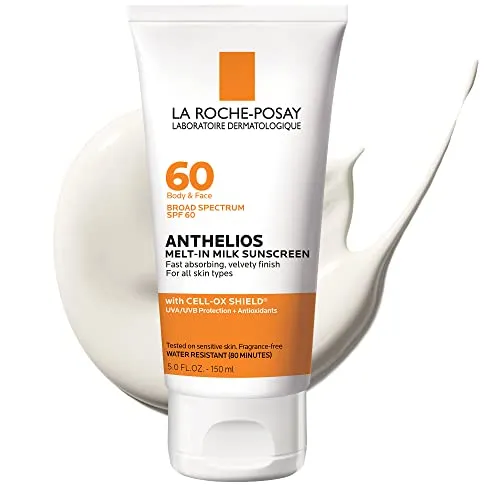
Goes on like a moisturizer, protects like armor. Best all-around sunscreen if you hate sunscreen.
Best for
Dry, Normal, Combination
Key ingredients
Mexoryl SX, Mexoryl XL, Octisalate
When to use
Morning only
Compare CeraVe with
Compare La Roche-Posay with
Frequently Asked Questions
Are CeraVe and La Roche-Posay the same company?
Yes — both are owned by L'Oréal. La Roche-Posay has been part of the group since 1989 and CeraVe was acquired in 2017. They aren't competing so much as covering different price tiers with different formulation traditions: CeraVe is American dermatology-shelf, La Roche-Posay is French pharmacy.
Is La Roche-Posay worth the extra money over CeraVe?
For a basic routine, no — CeraVe does the same job for meaningfully less. La Roche-Posay earns its price in three specific places: Cicaplast Baume B5+ for genuinely compromised or post-shave skin, the Anthelios sunscreens for their Mexoryl filters, and Effaclar Adapalene for acne. Outside those, you're paying for texture and pharmacy branding.
Which is better for sensitive skin, CeraVe or La Roche-Posay?
La Roche-Posay, narrowly. Both are fragrance-free across most of the range and both are dermatologist-developed, but La Roche-Posay formulates specifically around reactive skin — the thermal spring water base and the Toleriane line exist for that purpose. If your skin is reactive rather than simply dry, it's the better starting point.
CeraVe or La Roche-Posay for acne?
La Roche-Posay, because of Effaclar Adapalene Gel 0.1% — a genuine retinoid that prevents clogs rather than treating existing spots, which is what most men with persistent acne actually need. CeraVe Acne Control Gel is a good 2% salicylic acid maintenance product, but the adapalene is the stronger intervention.
Which brand has the better sunscreen?
La Roche-Posay Anthelios, on filter technology — it uses Mexoryl SX and XL, which give better UVA coverage than most American formulas. CeraVe's sunscreens are mineral, cheaper, and fragrance-free, which Anthelios Melt-In is not. Reactive skin should take the CeraVe; everyone else gets better protection from the Anthelios.
Not Sure Which Tier You Need?
Answer 5 quick questions — we'll tell you whether your skin needs the cheap version or the specialist one.
Build My Routine